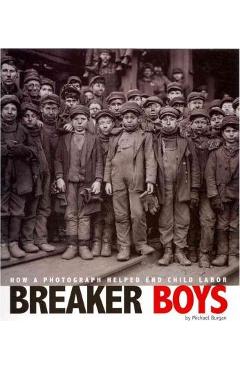
Breaker Boys: How a Photograph Helped End Child Labor
2011
An
Paperback
Copertă
Descriere
A digital solution for your classroom with features created with teachers and students in mind: - Perpetual license - 24 hour, 7 days a week access - No limit to the number of students accessing one title at a time - Provides a School to Home connection wherever internet is available - Easy to use -...
A digital solution for your classroom with features created with teachers and students in mind: - Perpetual license - 24 hour, 7 days a week access - No limit to the number of students accessing one title at a time - Provides a School to Home connection wherever internet is available - Easy to use - Ability to turn audio on and off - Words highlighted to match audio Little boys, some as young as 6, spent their long days, not playing or studying, but sorting coal in dusty, loud, and dangerous conditions. Many of these breaker boys worked 10 hours a day, six days a week all for as little as 45 cents a day. Child labor was common in the United States in the 19th century. It took the compelling, heart breaking photographs of Lewis Hine and others to bring the harsh working conditions to light. Hine and his fellow Progressives wanted to end child labor. He knew photography would reveal the truth and teach and change the world. With his camera Hine showed people what life was like for immigrants, the poor, and the children working in mines, factories, and mills. In the words of an historian, the more than 7,000 photos Hine took of American children at work aroused public sentiment against child labor in a way that no printed page or public lecture could.
Little boys, some as young as 6, spent their long days, not playing or studying, but sorting coal in dusty, loud, and dangerous conditions. Many of these breaker boys worked 10 hours a day, six days a week all for as little as 45 cents a day. Child labor was common in the United States in the 19th century. It took the compelling, heart breaking photographs of Lewis Hine and others to bring the harsh working conditions to light. Hine and his fellow Progressives wanted to end child labor. He knew photography would reveal the truth and teach and change the world. With his camera Hine showed people what life was like for immigrants, the poor, and the children working in mines, factories, and mills. In the words of an historian, the more than 7,000 photos Hine took of American children at work aroused public sentiment against child labor in a way that no printed page or public lecture could.
Little boys, some as young as 6, spent their long days, not playing or studying, but sorting coal in dusty, loud, and dangerous conditions. Many of these breaker boys worked 10 hours a day, six days a week all for as little as 45 cents a day. Child labor was common in the United States in the 19th century. It took the c
Conectează-te pentru a lăsa o recenzie
Nicio recenzie încă
Fii primul care lasă o impresie.
Mai multe de Michael Burgan
Vezi toate
The Story of Levi's

Famous Crimes of Minnesota

Hiroshima and Nagasaki: The Atomic Bombings That Shook the World

Buddhist Faith in America

Chernobyl Explosion: How a Deadly Nuclear Accident Frightened the World
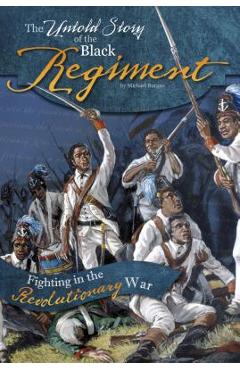
The Untold Story of the Black Regiment: Fighting in the Revolutionary War

You Choose: World War II
The Split History of World War I

The Battle of Bunker Hill: An Interactive History Adventure

Can You Protect the Coral Reefs?: An Interactive Eco Adventure